


Invited Speakers
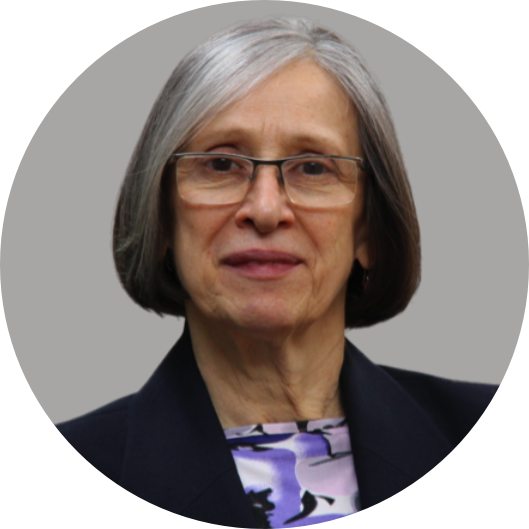
Prof. Ljiljana Trajkovic,
Speech Title: Data Mining and Machine Learning for Analysis of Network Traffic
Abstract: Collection and analysis of data from deployed networks is essential for understanding communication networks. Hence, data mining and statistical analysis of network data have been employed to determine traffic loads, analyze patterns of users' behavior, predict future network traffic, and detect traffic anomalies. The Internet has historically been prone to failures and attacks that significantly degrade its performance, affect the Internet connectivity, and cause routing disconnections. Frequent cases of various cyber threats have been encountered over the years and, hence, detection of anomalous behavior is a topic of great interest in cybersecurity. In described case studies, traffic traces collected by various collection sites are used to classify network anomalies. Various anomaly and intrusion detection approaches based on machine learning have been employed to analyze collected data. Deep learning, broad learning, gradient boosted decision trees, and reservoir computing algorithms were used to develop models based on collected datasets that contain Internet worms, viruses, power outages, ransomware events, router misconfigurations, Internet Protocol hijacks, and infrastructure failures in times of conflict. The reported results indicate that while performance of machine learning models greatly depends on the used datasets, they are viable tools for detecting the Internet anomalies.
Biography: Ljiljana Trajkovic received the Dipl. Ing. degree from University of Pristina, Yugoslavia, the M.Sc. degrees in electrical engineering and computer engineering from Syracuse University, Syracuse, NY, and the Ph.D. degree in electrical engineering from University of California at Los Angeles. She is currently a professor in the School of Engineering Science, Simon Fraser University, Burnaby, British Columbia, Canada. Her research interests include communication networks and dynamical systems. Dr. Trajkovic served as IEEE Division X Delegate/Director, President of the IEEE Systems, Man, and Cybernetics Society, and President of the IEEE Circuits and Systems Society. She serves as Editor-in-Chief of the IEEE Transactions on Human-Machine Systems. She is a Distinguished Lecturer of the IEEE Systems, Man, and Cybernetics Society and was a Distinguished Lecturer of the IEEE Circuits and System Society. She is a Fellow of the IEEE.

Prof. Pascal Lorenz,
Speech Title: Architectures of Next Generation Wireless Networks
Abstract: Internet Quality of Service (QoS) mechanisms are expected to enable wide spread use of real time services. New standards and new communication architectures allowing guaranteed QoS services are now developed. We will cover the issues of QoS provisioning in heterogeneous networks, Internet access over 5G networks and discusses most emerging technologies in the area of networks and telecommunications such as IoT, SDN, Edge Computing and MEC networking. We will also present routing, security, baseline architectures of the inter-networking protocols and end-to-end traffic management issues.
Biography: Pascal Lorenz (lorenz@ieee.org) received his M.Sc. (1990) and Ph.D. (1994) from the University of Nancy, France. Between 1990 and 1995 he was a research engineer at WorldFIP Europe and at Alcatel-Alsthom. He is a professor at the University of Haute-Alsace, France, since 1995. His research interests include QoS, wireless networks and high-speed networks. He is the author/co-author of 3 books, 3 patents and 200 international publications in refereed journals and conferences. He was Technical Editor of the IEEE Communications Magazine Editorial Board (2000-2006), IEEE Networks Magazine since 2015, IEEE Transactions on Vehicular Technology since 2017, Chair of IEEE ComSoc France (2014-2020), Financial chair of IEEE France (2017-2022), Chair of Vertical Issues in Communication Systems Technical Committee Cluster (2008-2009), Chair of the Communications Systems Integration and Modeling Technical Committee (2003-2009), Chair of the Communications Software Technical Committee (2008-2010) and Chair of the Technical Committee on Information Infrastructure and Networking (2016-2017), Chair of IEEE/ComSoc Satellite and Space Communications Technical (2022-2023), IEEE R8 Finance Committee (2022-2023), IEEE R8 Conference Coordination Committee (2023). He has served as Co-Program Chair of IEEE WCNC'2012 and ICC'2004, Executive Vice-Chair of ICC'2017, TPC Vice Chair of Globecom'2018, Panel sessions co-chair for Globecom'16, tutorial chair of VTC'2013 Spring and WCNC'2010, track chair of PIMRC'2012 and WCNC'2014, symposium Co-Chair at Globecom 2007-2011, Globecom'2019, ICC 2008-2010, ICC'2014 and '2016. He has served as Co-Guest Editor for special issues of IEEE Communications Magazine, Networks Magazine, Wireless Communications Magazine, Telecommunications Systems and LNCS. He is associate Editor for International Journal of Communication Systems (IJCS-Wiley), Journal on Security and Communication Networks (SCN-Wiley) and International Journal of Business Data Communications and Networking, Journal of Network and Computer Applications (JNCA-Elsevier). He is senior member of the IEEE, IARIA fellow and member of many international program committees. He has organized many conferences, chaired several technical sessions and gave tutorials at major international conferences. He was IEEE ComSoc Distinguished Lecturer Tour during 2013-2014.

Prof. Ming Jiang,
Speech Title: Improved oceanic channel model and channel predictor utilizing transceiver pitch motions
Abstract: In this talk, a sea wave-oriented geometry-based statistic model (SW-GBSM) is proposed for the maritime communication scenario. Different from the existing model that only considers the heave motion of transceiver antennas, the proposed channel model further takes into account their pitch motions due to the fluctuating sea waves. As a result, the small-scale fading and Doppler shift effects of the maritime channel can be better characterized. Moreover, a sea wave feature-based gated recurrent unit (SWF-GRU) network is introduced for prediction of the sea surface channel. The specific feature extracted from the pitch motions of the transceiver enables the network to adapt to the varying Doppler shifts caused by the fluctuating sea waves, thus contributing to an improved channel prediction accuracy. Simulation results show that incorporating the pitch motion aspect makes the channel model more precise and the channel predictor more efficient.
Biography: Ming Jiang received the B.Eng. and M.Eng. degrees in electronic engineering from the South China University of Technology (SCUT), China, and the Ph.D. degree in electronic engineering from the University of Southampton, U.K. He has substantial international and industrial experience with Fortune-500 telecom companies. From 2006 to 2013, he had held key research/development or executive positions at Samsung Electronics Research Institute (SERI), U.K., Nortel Networks' research and development center, China, and the telecom equipment maker New Postcom, China, where he actively participated in numerous collaborative projects across the EU, North America and Asia, contributing to algorithm and system research and standardization, as well as radio access and core network product designs. Since June 2013, he has been a Full Professor and a Ph.D. Supervisor with Sun Yat-sen University, China, where he focuses on both fundamental research and technology transfer, and leads a number of national, provincial and industrial research projects. He has coauthored six books, 110+ articles, 130+ patents and 400+ 3GPP/IEEE standardization contributions. He received several Chinese local council awards in 2011 and 2022, including Innovative Leading Talents, Outstanding Experts, and Top Overseas Scholars. He is currently the Deputy Director of the State-Province Joint IoT Engineering Laboratory and the Director of Guangdong Province IoT Engineering Laboratory.
Prof. Weidong Mei,
Speech Title: Recent Advances in Terahertz Wireless Communication and Sensing: Movable Antenna Architectures and Near-Field Curved Beamforming
Abstract: This talk will present recent research advances in terahertz (THz) wireless communication and sensing technologies. We will first review the key challenges facing THz communication and sensing, including blockage issues, the high cost of phased arrays, and near-field propagation effects. On this basis, we will first introduce a new THz antenna architecture based on movable antennas, with a focus on its position optimization methods and underlying design principles for far-field and near-field beam steering, sensing, and communication. We will then introduce novel near-field curved beamforming methods featuring self-acceleration and self-healing properties, covering beamforming optimization algorithms, hardware implementation approaches, hardware prototypes, and measurements. Particular emphasis will be placed on their potential applications in THz communication obstacle avoidance, anti-interception, and anti-jamming.
Biography: Weidong Mei is a Professor and Ph.D. Supervisor at the University of Electronic Science and Technology of China (UESTC). He is a recipient of the National High-Level Young Talent Program and has been listed among Stanford University's World's Top 2% Scientists since 2021. His research interests include movable antennas, intelligent reflecting surfaces, and near-field communications. He has published over 150 IEEE journal and conference papers, including more than 10 ESI Highly Cited Papers (top 1%). He has received the IEEE International Conference on Communications (ICC) Best Paper Award, the FCN Best Student Paper Award, and the Outstanding Master's Thesis Award from the Chinese Institute of Electronics. He serves as an Editor for IEEE TCOM, IEEE IoT, IEEE WCL, and IEEE OJ-COMS, and has served as a Tutorial Speaker and Workshop Co-Chair for conferences such as IEEE ICC and IEEE Globecom. He has led multiple national and provincial research projects, including the Young Scientist Project of the National Key Research and Development Program of China, the General Program of the National Natural Science Foundation of China, and the General Program of the Natural Science Foundation of Sichuan Province.
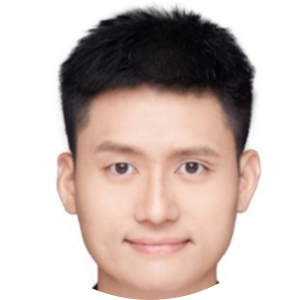
Senior Research Scientist Dr. Guangxu Zhu,
Speech Title: Robust Full-Parameter Federated Fine-Tuning of Large Models With Extremely Low Communication Overhead of One Bit
Abstract: Federated fine-tuning attempts to fine-tune a pretrained model with private data from distributed clients by exchanging models rather than data under the orchestration of a parameter server (PS). To overcome the bottleneck imposed by the growing communication and memory overhead for clients in such systems due to ever-increasing model sizes, we propose FeedSign, a federated fine-tuning algorithm in which the upload and download payloads are exactly 1 bit per aggregation step. Meanwhile, the memory overhead is reduced to the minimum required for inference. The reduction is achieved by using zeroth-order (ZO) optimizers on large models and shared pseudo-random number generators (PRNGs) across devices to represent gradient estimates as seed-sign pairs. We conduct theoretical analysis on FeedSign and show that it converges at an exponential rate under the widely used Polyak-Łojaciewicz assumption. Moreover, FeedSign is robust against data heterogeneity and Byzantine attacks due to the 1-bit vague updates. We extensively tested FeedSign on models across different structures and sizes (11 M to 13B). We found that the proposed method performs better or closely matches its ZO and FO counterparts, depending on the scenario, despite having an order-of-magnitude lower communication overhead.
Biography: Guangxu Zhu (Member, IEEE) received the Ph.D. degree in electrical and electronic engineering from The University of Hong Kong in 2019. Currently he is a senior research scientist and deputy director of network and machine intelligence center at the Shenzhen research institute of big data, and an adjunct associate professor with the Chinese University of Hong Kong, Shenzhen. His recent research interests include edge intelligence, large foundation model, and integrated sensing and communication. He is a recipient of the 2023 IEEE ComSoc Asia-Pacific Best Young Researcher Award and Outstanding Paper Award, the World’s Top 2% Scientists by Stanford University, the ”AI 2000 Most Influential Scholar Award Honorable Mention”, the Young Scientist Award from UCOM 2023. He serves as associate editors at top-tier journals in IEEE, including IEEE TMC, TWC and WCL. He is the vice co-chair of the IEEE ComSoc AsiaPacific Board Young Professionals Committee.

Prof. Kaitao Meng,
Speech Title: Network-Level Integrated Sensing and Communication: Cooperative Design and AI-Assisted Optimization
Abstract: Network-level integrated sensing and communication (ISAC) enables the joint design of sensing and data transmission through shared spectrum, hardware, and network resources across multiple base stations. Cooperation among network nodes can improve sensing coverage, spatial resolution, localization accuracy, and communication reliability. It also introduces challenges in inter-base-station interference management, distributed signal processing, resource scheduling, and coordination overhead. A central design problem is to balance sensing performance, communication throughput, energy efficiency, and the cost of cooperation.
This talk will introduce the fundamental framework and key design challenges of network-level ISAC. It will examine cooperation at the waveform, signal processing, and network optimization levels, with emphasis on cooperative waveform design, multi-base-station sensing, interference suppression, resource allocation, and sensing-communication trade-offs. Building on these topics, the talk will discuss how AI-assisted optimization can address computational complexity, network scalability, imperfect models, and adaptation to dynamic environments, offering perspectives on the design and optimization of cooperative ISAC networks.
Biography: Kaitao Meng is a Professor at Wuhan University, China. He received his B.E. and Ph.D. degrees from the School of Electronic Information, Wuhan University, in 2016 and 2021, respectively. From 2021 to 2023, he was a Postdoctoral Researcher at the State Key Laboratory of Internet of Things for Smart City, University of Macau. From 2023 to 2025, he was a Marie Curie Fellow in the Department of Electronic and Electrical Engineering at University College London, UK. From 2025 to 2026, he served as an Assistant Professor in the Department of Electrical and Electronic Engineering at the University of Manchester, UK. His research interests include network-level integrated sensing and communication, cooperative sensing and communication, intelligent surfaces, and multi-UAV collaboration.
He received the 2022 EU Marie Curie Postdoctoral Fellowship and the 2026 IEEE Communications Society Fred W. Ellersick Paper Award. He was named in the 2026 Stanford/Elsevier World's Top 2% Scientists list. He serves as an Editor for IEEE TCOM and IEEE TGCN, and as an Associate Editor for IEEE IoT-J, IEEE TCCN, and IEEE TVT. He has helped organize special issues in IEEE TCCN and Sci. China Inf. Sci, and has served as a track or workshop chair for IEEE ICC, GLOBECOM, VTC, WiOpt, PIMRC, CSNDSP, and ICASSP.

Prof. Anand Nayyar,
Speech Title: Quantum Computing and Communication Architectures: From Qubit Control, Variational Algorithms, and NISQ Systems to Quantum-Secure Networks
Abstract: Quantum technologies are rapidly evolving from foundational physical concepts into an integrated computational and communication ecosystem. This lecture presents a technically structured overview of quantum computing, beginning with the mathematical representation of qubits in Hilbert space and progressing through superposition, entanglement, decoherence, projective measurement, and unitary state evolution. Quantum gates, including Pauli, Hadamard, phase, and controlled-NOT operations, are introduced as the fundamental primitives for constructing reversible quantum circuits and entangled states. The computational implications of exponentially large state spaces are examined through representative algorithms and applications, including Grover search, Shor factorization, quantum Fourier transforms, quantum simulation, optimization, and the variational quantum eigensolver. Particular attention is given to noisy intermediate-scale quantum systems, quantum volume, error correction, hardware modalities, and the transition toward scalable fault-tolerant quantum computing. The lecture further extends quantum information processing into communication architectures, covering photonic channels, transducers, quantum memories, switches, modular interconnects, and entanglement-swapping quantum repeaters. Quantum key distribution and post-quantum cryptography are comparatively evaluated in terms of security guarantees, key-generation rates, transmission distance, infrastructure requirements, implementation vulnerabilities, and deployment maturity. The implications of Q-Day and store-now–decrypt-later attacks are discussed alongside hybrid quantum-safe security strategies. By connecting quantum processors with regional and global quantum networks, the lecture establishes a unified perspective on distributed quantum computing, secure communications, and entanglement-enhanced sensing, while identifying the technological milestones required for a scalable quantum internet.
Biography: Dr. Anand Nayyar received Ph.D (Computer Science) from Desh Bhagat University in 2017 in the area of Wireless Sensor Networks, Swarm Intelligence and Network Simulation. He is currently working in School of Computer Science and Artificial Intelligence (SCA)-Duy Tan University, Da Nang, Vietnam as Professor, Scientist, Vice-Chairman (Research) and Director- IoT and Intelligent Systems Lab. A Certified Professional with 280+ Professional certifications from CISCO, Microsoft, CompTIA, Amazon, Alibaba Cloud, Oracle, Google, Salesforce, Tableau, FinOps, Beingcert, EXIN, GAQM, Cyberoam and many more. Published more than 300+ Research Papers in various High-Quality ISI-SCI/SCIE/SSCI Impact Factor- Q1, Q2, Q3, Q4 Journals cum Scopus/ESCI indexed Journals, 80+ Papers in International Conferences indexed with Springer, IEEE and ACM Digital Library, 60+ Book Chapters in various SCOPUS/WEB OF SCIENCE Indexed Books with Springer, CRC Press, Wiley, IET, Elsevier with Citations: (Google Scholar): 23600+, H-Index: 78 and I-Index: 322; (Scopus): 13600+; H-index: 61. Member of more than 60+ Associations as Senior and Life Member like: IEEE (Senior Member) and ACM (Senior Member). He has authored/co-authored cum Edited 70+ Books of Computer Science. Associated with more than 600+ International Conferences as Programme Committee/Chair/Advisory Board/Review Board member. He has completed 1 Grassroot and 1 ASEAN Project. He has 18 Australian Patents, 16 German Patents, 4 Japanese Patents, 44 Indian Design cum Utility Patents, 13 UK Patents, 1 USA Patent, 3 Indian Copyrights and 2 Canadian Copyrights to his credit in the area of Wireless Communications, Artificial Intelligence, Cloud Computing, IoT, Healthcare, Drones, Robotics and Image Processing. He has guided more than 200+ Undergraduate Students (B.S. Degree), 30 MCA, 7 M.S. Students and completed 1 Ph.D Student and currently 3 Ph.D Scholars are working under him. He has completed 4 Research Grants Projects including 1 ASEAN and 1 Glocal 30 Project and 1 Grassroot Project in DTU. Awarded 58 Awards for Teaching and Research—Young Scientist, Best Scientist, Best Senior Scientist, Asia Top 50 Academicians and Researchers, Young Researcher Award, Outstanding Researcher Award, Excellence in Teaching, Best Senior Scientist Award, DTU Best Professor and Researcher Award- 2019, 2020-2021, 2022, 2022-2023, 2023-2024, 2024-2025, Distinguished Scientist Award by National University of Singapore, Obada Prize 2023, Lifetime Achievement Award 2023, 2024; Asian Admirable Achievers 2024; Distinguished Academic Leader 2024, Lifetime Achievement Award 2024 and many more.
He is listed in Top 2% Scientists as per Stanford University (2020, 2021, 2022, 2023, 2024, 2025), Ad Index (Rank No:1 Duy Tan University, Rank No:2 Computer Science in Viet Nam) and Listed on Research.com (Top Scientist of Computer Science in Viet Nam- National Ranking: 2; D-Index: 56; World Ranking: 3694).
He is acting as Associate Editor for Computer Communications (Elsevier), International Journal of Sensor Networks (IJSNET) (Inderscience), Tech Science Press- IASC, Cogent Engineering, Human Centric Computing and Information Sciences (HCIS), IEEE Transactions on Artificial Intelligence (IEEE TAI), Indonesian Journal of Electrical Engineering and Computer Science, IJFC, IJISP, IJDST, IJCINI, IJGC, IJSIR, IJBDCN, IJNR, IJSI, IJIES. He is acting as Managing Editor of IGI-Global Journal, USA titled “International Journal of Knowledge and Systems Science (IJKSS)”. He has reviewed more than 5700+ Articles for diverse Web of Science and Scopus Indexed Journals. He is currently researching in the area of Wireless Sensor Networks, Internet of Things, Swarm Intelligence, Cloud Computing, Artificial Intelligence, Drones, Blockchain, Cyber Security, Healthcare Informatics, Big Data and Wireless Communications.

Prof. Lyudmila Mihaylova,
Speech Title: Gaussian Process Methods for Object Detection, Tracking and Sensor Scheduling with Uncertainty Qualification
Abstract: Sensor networks generate massive amounts of data. These are often comprised of sensors with different modalities such as radar, acoustic sensors, and wireless networks. Making sense of such multiple heterogeneous data is a challenging task that has been extensively studied, but the provision of reliable solutions for autonomous and semi-autonomous systems is a task that remains only partially solved. Fusion of data from multiple heterogeneous sensors of this type is part of the challenge; even more so when the autonomous decisions have to be performed in sequentially and in real-time. Capturing confidence and uncertainty from the integration of heterogeneous data remains a challenging task.
This talk will present recently developed Machine Learning algorithms that are able to solve problems such as detection, tracking and sensor scheduling in sensor networks and also to quantify the impact of different uncertainties. Both centralised and decentralised Gaussian process methods will be discussed with their advantages, challenges and areas of developments. The power of the methods is especially when dealing with different uncertainties in the sensor data and dynamic environments. These methods are part of safe and reliable autonomous systems at different autonomy levels.
Biography: With a wide experience on developing methods for knowledge extraction from data and introducing autonomy, including for underground robots, human-robot interactions, Prof. Lyudmila Mihaylova is leading a strong team with activities part of the School of Electrical and Electronic Engineering at the University of Sheffield. Her expertise is in the areas of machine learning, autonomous systems: for sensing, tracking, navigation, decision making and with a variety of data from optical, thermal images, radar, LiDAR sensors, wireless networks and others. With her team she develops methods for trustworthy autonomous AI solutions able to work in different environments.
Prof Lyudmila Mihaylova is an Associate Editor-in-Chief for the IEEE Transactions on Aerospace and Electronic Systems, Senior Editor for the Target Tracking and Multi-sensor data Fusion area since 2021, and a Subject Area Editor for the Elsevier Signal Processing Journal since 2022. She is a guest Editor for a special issue for Frontiers of Robotics and AI (2022-2023). She won the Tammy Blair best award from the International Conference of Information Fusion 2017, best paper awards from the IEEE DESSERT’2019, 17th IEEE SPA’2013 Conference and IEEE Sensor Data Fusion Workshop, 2013, best student paper award from IEEE MFI 2021, IEEE ICMA’ 2023 and others.
She was the president of the International Society of Information Fusion (ISIF) from 2017 to 2018. She is on the Board of Directors of ISIF. She has been serving for organising conferences – as the publications chair for Fusion 2026, general vice chair of UKCI’2022, a program chair for the International Conference on Information Fusion, Fusion 2022, technical chair for Fusion 2021, publicity chair for IEEE MFI’ 2021 and UKCI 2021. She was the general vice-chair for the International Conference on Information Fusion 2018 (Cambridge, UK), of the IET Data Fusion & Target Tracking 2014 and 2012 Conferences, publications chair for ICASSP 2019 (Brighton, UK) and others.
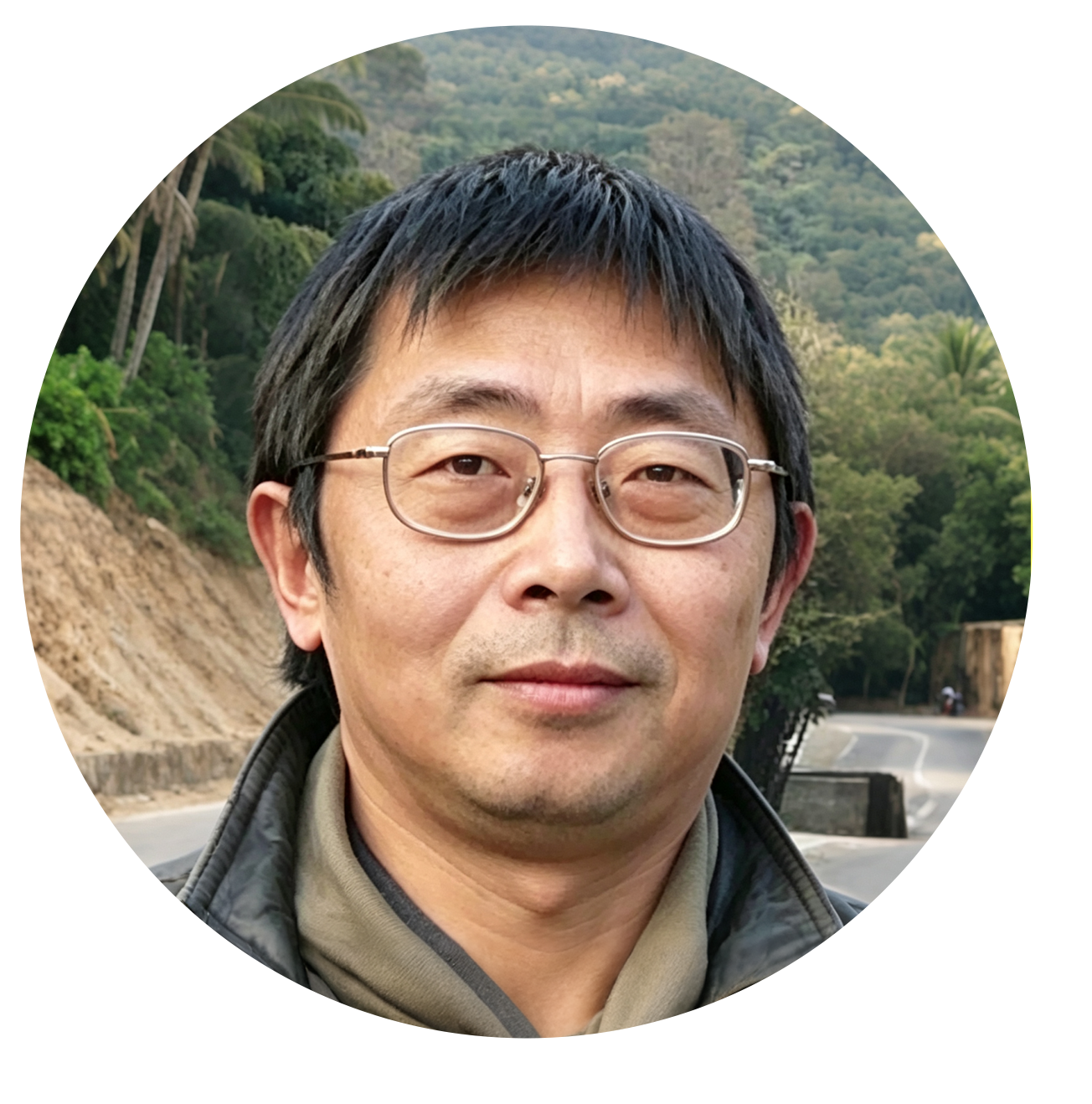
Prof. Jinsong Wu,
Speech Title: Generalized Green and Red Concepts: Environmental Sustainability of AI, Big Data, ICT, and General Green Technologies
Abstract: Artificial intelligence, big data, and information and communication technologies are becoming central enablers of sustainable development. They support climate modeling, environmental monitoring, smart grids, intelligent transportation, sustainable industry, and digital governance. However, the same technologies are also generating rapidly growing sustainability pressures through electricity consumption, carbon emissions, cooling-water demand, material use, hardware turnover, electronic waste, and broader socio-technical externalities. Therefore, the question is no longer whether intelligence can support sustainability, but how intelligent technologies themselves can be designed, deployed, and governed sustainably.
This talk introduces a generalized framework for understanding green and red technologies in the AI era. Moving beyond the conventional Green AI view, which mainly emphasizes computation, energy, and carbon efficiency, the talk discusses generalized green AI and generalized red AI under a multidimensional Environmental–Economic–Social–Technical/Operational perspective. The discussion is further extended to green and red big data, green and red ICT, and more general green digital technologies. A key argument is that sustainability assessment should distinguish between the service-provision side and the downstream-use side: even if a system appears efficient at the model or infrastructure level, it may still create unsustainable outcomes through excessive data storage, over-provisioned networks, high-frequency hardware replacement, or demand patterns that shift environmental burdens across regions and communities.
The talk will review major sustainability risks in the large-model era, including data-center electricity growth, water consumption, e-waste, and lifecycle impacts. It will then present countermeasures at four levels: metric and accountability reform, ICT design-principle revision and demand shaping, efficiency-oriented large-model development, and energy-infrastructure transition. By connecting conceptual definitions, system-level risks, and actionable interventions, the talk aims to provide a broader view of environmental sustainability and intelligence, and to outline a pathway from narrow green computing toward general green technologies for sustainable development.
Biography: JINSONG WU received the Ph.D. degree from the Department of Electrical and Computer Engineering, Queen’s University, Kingston, Ontario, Canada, in 2006. He received 2020 IEEE Green Communications and Computing Technical Committee Distinguished Technical Achievement Recognition Award, for his outstanding technical leadership and achievement in green wireless communications and networking. He systematically defined the basic concepts and research scope of green communications (2011 and 2022), proposed and analyzed the concept of green big data (2016), early analyzed the relationship between information and communication technology and the United Nations Sustainable Development Goals (2018), proposed the definition of the concept and scope of general green technologies (2022/2023), and proposed the definition of the concepts of generalized green artificial intelligence (GGAI), generalized red artificial intelligence (GRAI), red big data (RBD), and red information and communication technology (RICT), red digital technologies (RDT), red electronic and electrical engineering (REEE) (2026). He was the leading Editor and a co-author of the comprehensive book, entitled “Green Communications: Theoretical Fundamentals, Algorithms, and Applications", published by CRC Press in September 2012. He won 2017,2019,2021 IEEE System Journal Best Paper Awards. He won the 2018 IEEE Green Communications and Computing Technical Committee Best Magazine Paper Award. He was the founder and founding Chair (2011-2017) of IEEE Technical Committee on Green Communications and Computing (TCGCC). He was Chair (2022-2024) and the co-founder (2014) and founding Vice-Chair (2014-2022) of IEEE Technical Committee on Big Data (TCBD).
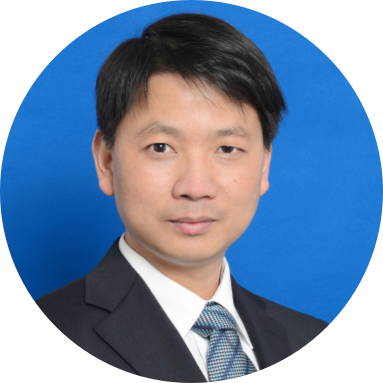
Prof. Jie Huang,
Speech Title:
Injection-Locked Oscillation-Based
Microwave Sensing with high resolution
and Its Applications for Wireless
Real-time online Detection
Abstract: To address core technical
challenges in the field of microwave
sensing, such as low detection
resolution and insufficient limit of
detection (LOD), an injection-locked
oscillation (ILO) microwave sensing
scheme is proposed. First, an external
swept signal with low phase noise is
injected into a free-running resonant
oscillation-based microwave sensor
with relatively high phase noise. The
injection-locking effect is exploited
to generate a low-noise ILO signal,
which greatly improves the resolution
and LOD of the oscillation-based
microwave sensor. Furthermore, based
on the polarization theory, the
perturbation induced by the
electromagnetic interaction between
the field and the material under test
(MUT) is converted into frequency
shifts and amplitude variations of the
ILO signal. Using frequency
demodulation and LabVIEW online
measurement techniques, the
frequency-modulated signals dependent
on the electromagnetic parameters of
the MUT are transformed into in-phase
and quadrature (IQ) DC voltages and
phase angles. Based on the built-in
response relationship between the MUT
and the IQ phase angle, an
ultra-high-resolution real-time online
detection for MUT is ultimately
realized. The proposed ILO-based
microwave sensing scheme has been
successfully applied to the detection
of trace liquids and gases. Meanwhile,
by introducing antenna technology and
leveraging wireless ILO sensing and
beamforming techniques, wireless
real-time online detections for
single/multiple MUTs, including gases
and liquids, are also achieved.
Biography: He received his Doctor of Engineering degree in Microelectronics and Solid State Electronics from the Radio Frequency Integrated Circuit Laboratory, Institute of Microelectronics, Chinese Academy of Sciences in 2011. He worked as a visiting scholar at the Terahertz and Millimeter-wave Laboratory, Chalmers University of Technology, Sweden, in 2016. His research mainly focuses on radio frequency/microwave devices and circuits as well as wireless sensing technologies. He has published over 70 SCI papers as the first author and corresponding author in leading microwave journals including IEEE TMTT, IEEE TIM, IEEE MWTL, and IEEE Sensors Journal. He holds more than 40 authorized national invention patents as the first inventor.

Prof. Moirangthem Marjit Singh,
Speech Title: Neural Synchronization-Based Security Mechanisms for Wireless Networks.
Abstract: Neural synchronization provides an attractive approach in which communicating devices independently establish a common secret key without directly transmitting it. This approach is particularly relevant to resource-constrained wireless networks, where lightweight, efficient, and secure key-establishment mechanisms are essential. This talk explores recent developments in neural synchronization-based security mechanisms for wireless networks, with particular emphasis on Triple-Layer Tree Parity Machines (TLTPMs) and Gravitational Search Optimization (GSO). GSO-optimized neural weights result in faster synchronization than non-optimized configurations, highlighting their potential for efficient key establishment. Finally, the talk will highlight future research directions, focusing on enhanced synchronization, comprehensive security analysis, and practical deployment of neural synchronization-based security mechanisms in wireless networks.
Biography: Prof. Dr. Moirangthem Marjit Singh is a Professor in Computer Science & Engineering Department at North Eastern Regional Institute of Science & Technology (NERIST), Arunachal Pradesh, India. He received B.Tech. & M.Tech. degrees from NERIST and PhD degree from University of Kalyani, India in 2001,2010 and 2017 respectively. He was the Head of Department Computer Science & Engineering, NERIST (2018 – 2022), founder Honorary Joint Secretary of the IE(I), Arunachal Pradesh State Centre, India (2019-2021) and founder member Unnat Bharat Abhiyan NERIST Cell (2017-2024). Currently, he is In-charge of Educational Technology Cell at NERIST, Chief Information Security Officer (CISO) NERIST and Single Point of Contact (SPoC) for National Institute of Electronics and Information Technology (NIELIT, Ministry of Electronics and IT, Govt. of India) Itanagar Centre at NERIST (2024-). He is a Fellow of IETE India, Fellow of IE (I) and senior member IEEE, USA. In July 2025, he became an Editor of IETE- Journal of Research published by Taylor & Francis.
Prof. Marjit received awards namely “Academic Excellence Award” from Taylor's University, Malaysia (2023), “IE(I) Young Engineers Award 2014–2015” in Computer Engineering Division from The Institution of Engineers India IE(I.) He also received the “Best Paper Awards” at conferences namely ICEAI 2023(Taylors’ University, Malaysia), SETSM 2025(Hanoi University of Industry, Vietnam) the ICACCT 2016, (APIIT, India) and Best Paper Award 1 st Runner-Up in ICDAI2024(TINT, India). He received the “Best Presenter Certificate” during GEn-CITy 2025(UNDIKNAS University, Bali, Indonesia). He was Gold Medallist in the Master of Technology(Computer Science & Engineering) program.
Prof. Marjit has a patent granted for 20 years by the Patents office Govt. of India (Patent Number:542853). He has published several papers in international journals, book chapters and conferences of repute and has been associated with many technical conferences held in India and abroad. He has delivered many technical/invited talks as well. His research interests include MaNet, WSN, Security, ML/DL and Image Classification.
Prof. Marjit did his schooling at JNVSA Kakching, Thoubal District, Manipur (1990-1997). He secured First Position in X and Second Position in XII Examinations conducted by CBSE, New Delhi, India, amongst the candidates sent up from Jawahar Navodaya Vidyalayas (JNVs) of North Eastern region states of India, in 1995 and 1997 respectively. He was felicitated as one of the Eminent Alumni (JNVs of North Eastern Region India) by Navodaya Vidyalaya Samiti Regional Office Shillong, Ministry of Education, Govt. of India on 22 April 2023 at JNV Rangia, Assam, India.

Prof. Noor Maizura Mohamad Noor,
Speech Title: Intelligent Decision Support Systems for Next-Generation Communication Ecosystems
Abstract: The rapid evolution of communication technologies from 5G toward 6G, together with the proliferation of the Internet of Things (IoT), edge computing, and artificial intelligence (AI), is fundamentally transforming the way communication systems operate. Future communication ecosystems will no longer serve merely as channels for data transmission; instead, they will become intelligent platforms capable of sensing, learning, predicting, and making autonomous decisions in real time. This paradigm shift presents unprecedented opportunities for Decision Support Systems (DSS) to evolve into intelligent, adaptive, and context-aware systems that enhance decision quality across complex communication environments. The concept of Intelligent Decision Support Systems (IDSS) as the next evolutionary stage of traditional DSS. Unlike conventional DSS that primarily assist human decision-makers through historical data analysis, IDSS integrates machine learning, deep learning, federated learning, edge intelligence, and network analytics to provide predictive, prescriptive, and autonomous decision-making capabilities. It explores how AI-driven DSS can optimize communication networks, improve spectrum allocation, enhance Quality of Service (QoS), strengthen cybersecurity, enable smart city applications, support intelligent transportation systems, and facilitate digital healthcare through real-time data analytics. Furthermore, emerging technologies including digital twins, explainable AI, trustworthy AI, federated intelligence, and self-optimizing networks that will shape future communication ecosystems. It also addresses critical challenges related to privacy preservation, ethical AI, interoperability, scalability, and governance of intelligent decision systems. Finally, a future research roadmap is proposed, highlighting interdisciplinary collaboration among communication engineering, artificial intelligence, data science, and decision sciences to build sustainable, resilient, and human-centered intelligent communication ecosystems for the 6G era and beyond.
Biography: Professor Ts. Dr. Noor Maizura Mohamad Noor is the Pro Vice-Chancellor (Industry Linkages and Community) at Universiti Malaysia Terengganu (UMT), Malaysia. She obtained her Ph.D. in Computer Science from the University of Manchester, United Kingdom, after completing her bachelor's and master's degrees in Computer Science at Universiti Putra Malaysia. She is an accomplished academic and administrator with expertise in Decision Support Systems, Artificial Intelligence, Intelligent Systems, Clinical Decision Support Systems, and Information Systems. Her research focuses on developing intelligent technologies to enhance organizational decision-making and digital transformation. She has published more than 130 journal articles, 160 conference papers, as well as numerous books, book chapters, and teaching modules. She has secured over RM3 million in research funding and has successfully supervised numerous Ph.D., master's, and undergraduate students. An active contributor to higher education at both the national and international levels, she has served as a keynote and invited speaker, research reviewer, curriculum consultant, and visiting professor at several overseas universities. Her academic excellence has been recognised through numerous awards, including UMT's Best Scientist Award and Excellent Service Award.
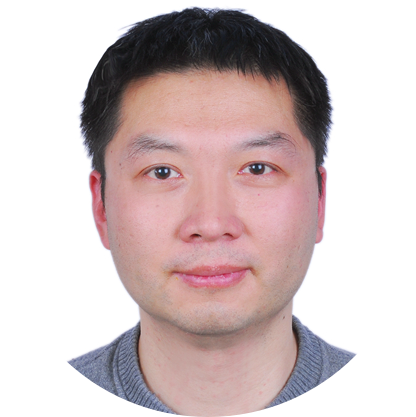
Research Fellow Chao Yang,
Speech Title: New medium, New band, and New architecture: Research progress in next-generation optical transmission technology
Abstract: Driven by growing internet and computing demands, conventional C/L band transmission over standard single mode fiber approaches its capacity limit. This paper briefly reviews next generation optical transmission progress from new medium, new band and new architecture. It introduces capacity boosting techniques, summarizes experiments on extended C++, L++ and S bands, and discusses space division multiplexing with few mode and multi core fibers. Extended bands combined with large area and uncoupled multi core fibers are promising for Pb/s scale transmission, while amplifier noise, splicing, DSP complexity and system cost remain major obstacles.
Biography: The proposed invitee is currently working at China Information Communication Technologies Group Corporation(CICT), Wuhan,China, focusing on advanced optical communication techniques. The relevant research experiences include low-cost short-reach optical interconnects, high-speed and high-spectral efficiency coherent detection system over Multicore fiber (MCF) and anti-resonate hollow-core-fiber (AR-HCF). He has published more than 100 papers in well-known journals and international conferences in the field of optical communications, the first author and corresponding author includes ECOC (3), OFC (8), ACP PDP (1), ACP Best Paper Award in Industry Innovation (1)

Assoc. Prof. Yaru Fu,
Speech Title: Digital Twin Edge Networks: Concept, Emerging Applications, and Future Directions
Abstract: Digital Twin Edge Networks (DITEN) play a key role in a wide range of smart city application scenarios. This talk will focus on the challenges encountered in the deployment, synchronization, and migration of DITEN and their corresponding solution approaches, and, on this basis, will discuss future development directions and open challenges.
Biography: Prof. Yaru Fu is an Associate Professor at Hong Kong Metropolitan University and Head of the Center for Research in Advanced Network Technologies (CRANT). Her research focuses on 6G wireless communications, digital twins, and edge intelligence. She has been consecutively listed among the “World’s Top 2% Scientists” by Stanford University and was selected as the 2025 N2Women Rising Star in Computer and Communications.
As PI or PC, Prof. Fu has led six projects funded by the Hong Kong Research Grants Council (RGC), with total research funding exceeding HKD 20 million over the past five years. She has published over 140 high-quality papers in top-tier journals and flagship conferences in wireless communications and networking. Since 2024, she has been appointed by the Government of the Hong Kong Special Administrative Region as a member of the Communications Authority’s Advisory Committee, where she plays a key role in communications regulation and industry standards development.
Prof. Fu currently holds important editorial positions in several highly influential international journals, including serving as an Associate Editor for IEEE Communications Surveys & Tutorials (impact factor 50.6), as well as IEEE Transactions on Green Communications and Networking (TGCN), IEEE Transactions on Cognitive Communications and Networking (TCCN), IEEE Internet of Things Journal (IoTJ), IEEE Open Journal of the Communications Society (OJ-COMS), IEEE Wireless Communications Letters (WCL), among a total of seven leading journals. She also serves as Symposium Chair or Track Chair at major international conferences such as IEEE PIMRC, IEEE VTC, WCSP, WF-IoT, and ICCT.

Associate Research Fellow Qiuyan Yao,
Speech Title: Research on Key Technologies for AI-Oriented On-Chip Optical Interconnect Networks
Abstract: Efficient communication among processing units is essential for scalable artificial intelligence (AI) computing. The increasing diversity of AI workloads places stringent demands on interconnect bandwidth, latency, energy efficiency, and reliability. Optical networks-on-chip offer a promising approach to meeting these demands, although challenges remain in switching scalability, workload adaptation, and fault resilience. This talk presents recent advances in reconfigurable and reliable on-chip optical interconnects for AI computing. Dual-microring switching elements enable wavelength-selective routing with low leakage and support scalable optical router architectures. Hybrid optical–electrical switching combines automatic flow identification with adaptive time-slot allocation to accommodate heterogeneous traffic demands. Task-driven topology reconfiguration and graph-clustering-based mapping align network connectivity with workload communication patterns while accounting for optical loss and crosstalk. Device-level fault avoidance and path protection further enable fault detection and network self-healing. Device experiments and system-level evaluations demonstrate the potential of these approaches to reduce task execution time and energy consumption, improve resource utilization, and maintain communication reliability under varying traffic and fault conditions. These results highlight the importance of coordinated design across devices, switching architectures, and workload mapping for efficient and resilient AI computing. The talk concludes with future directions for extending these technologies to scale-out edge computing systems through co-packaged optics, optical switching for computation offloading, and distributed computing coordination.
Biography: Qiuyan Yao is an Associate Research Fellow at Beijing University of Posts and Telecommunications (BUPT). She was selected for the ninth cohort of the Young Elite Scientists Sponsorship Program of the China Association for Science and Technology (CAST). Her research focuses on optical communication networks and on-chip optical interconnects. She has published more than 40 papers and received four best paper awards at international conferences. She has also received six science and technology awards from professional societies and provincial or ministerial bodies, including the First Prize of the Chinese Institute of Electronics Science and Technology Progress Award and the Second Prize of the Beijing Science and Technology Progress Award.
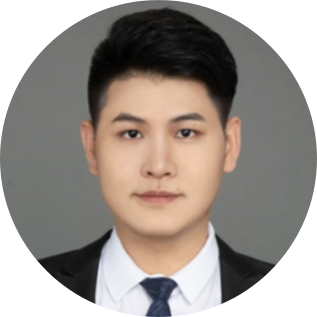
Associate Research Fellow Xiaoyang Li,
Speech Title: Low-Altitude Wireless Networks: Key Technologies and Applications
Abstract: Facing the emerging low-altitude economy industry, the existing wireless networks are constrained by limited spectrum resources and coverage, making it difficult to support increasingly complex and diverse low-altitude applications. To address the three challenges — the need to construct low-altitude electromagnetic radio maps, analyze low-altitude wireless network (LAWN) performance, and optimize LAWN parameters — this project aims to conduct research on key technologies for LAWN radio map construction with performance analysis and optimization. Based on physical information and deep learning methods, low-altitude electromagnetic radio maps will be constructed; using stochastic geometry modeling and measured data, the performance of LAWN will be analyzed; through a data-model driven approach, LAWN parameters will be optimized; and by building a LAWN verification platform, the aforementioned key technologies will be validated. This project seeks to innovate in the areas of low-altitude radio map construction, network performance analysis, network optimization, and verification platforms, providing a strong theoretical foundation and technical support for the development of LAWN and empowering the development of the low-altitude economy.
Biography: Xiaoyang Li is with the Southern University of Science and Technology. He received the Ph.D. degree from The University of Hong Kong. His research interests include integrated sensing-AI-computation, Wi-Fi sensing, and low altitude wireless networks. He is a recipient of Young Elite Scientists Sponsorship Program by CAST, Forbes China 30 under 30, Young Elite of G20, Overseas Youth Talent in Guangdong, Overseas High-caliber Personnel in Shenzhen, Outstanding Research Fellow in Shenzhen, the Best Paper Award of IEEE 4th International Symposium on Joint Communications & Sensing, the Exemplary Reviewers of IEEE Wireless Communications Letters and Journal of Information and Intelligence (JII). He has served as the Editor of China Communications/JCIN/JII, and the Workshop Chairs of IEEE ICASSP/WCNC/PIMRC/ICCC/Globecom.
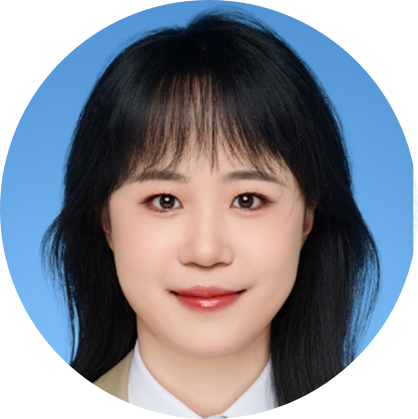
Associate Research Fellow Yujie Qin,
Speech Title: Path Coverage in Low-Altitude Transportation Networks: An Analytical Framework and Potential Optimization Strategies
Abstract: The rapid development of the low-altitude economy has created an increasing demand for reliable wireless connectivity to support unmanned aerial vehicles (UAVs) and emerging aerial transportation services. Unlike conventional terrestrial networks, low-altitude transportation networks (LATNs) feature three-dimensional spatial distributions, multi-layer aerial corridors, high mobility, and heterogeneous communication requirements, posing new challenges to wireless coverage analysis and network design. This talk focuses on continuous communication coverage in LATNs, with an emphasis on theoretical modeling, performance analysis, and network optimization. First, a stochastic geometry-based framework is introduced to characterize the spatial distributions of aerial corridors, aerial users, and terrestrial base stations, and to investigate the impact of corridor geometry, flight altitude, and antenna configurations on wireless communication performance. Next, conventional point-wise coverage analysis is extended to trajectory-level continuous communication coverage, with particular attention to communication reliability and coverage continuity under heterogeneous service requirements. Furthermore, potential optimization approaches for antenna configuration, base station deployment, and wireless resource allocation in multi-layer aerial networks are discussed. Finally, the talk highlights future research directions toward continuous connectivity and intelligent resource management in LATNs.
Biography: Yujie Qin is an Associate Research Fellow with the School of Information and Communication Engineering at the University of Electronic Science and Technology of China (UESTC). She received her Ph.D. degree in Electrical Engineering from King Abdullah University of Science and Technology (KAUST) in 2024 and was selected for China’s National Overseas Postdoctoral Talent Program in the same year. She is the principal investigator of projects funded by the National Natural Science Foundation of China Young Scientists Fund (Category C), the China Postdoctoral Science Foundation, and the Sichuan Provincial Natural Science Foundation, and also serves as a key participant in a special project funded by the National Natural Science Foundation of China.
Her research focuses on UAV and low-altitude communication networks and performance analysis of large-scale wireless networks. In particular, she studies continuous communication support in low-altitude transportation networks, including communication reliability, information freshness, spatial correlation, and resource optimization. She has developed a systematic body of research on theoretical modeling and performance analysis for low-altitude communication networks. Her related work has resulted in more than 20 first-author publications in leading IEEE journals, including IEEE Transactions on Wireless Communications, IEEE Transactions on Communications, and IEEE Internet of Things Journal, and has received more than 600 citations on Google Scholar.
Associate Research Fellow Changsheng You,
Speech Title: Extremely large-scale MIMO: Mixed Near-field and Far-field communications
Abstract: Extremely large-scale MIMO (XL-MIMIO) is expected to significantly improve the spectrum efficiency and sensing resolution of future wireless systems, hence achieving ultra-high-capacity communications and ultra-high-precision sensing. Therefore, it is widely recognized as a key candidate technology for future 6G communications. In this talk, we will focus on mixed near-field and far-field communication systems and study various related design issues. First, we will discuss how to realize efficient beam training and localization in the mixed-field scenario. Then, the mixed-field inter-user channel correlation will be studied, and its impact on the inter-user interference and physical layer security will be elaborated.
Biography: Changsheng You (Member, IEEE) received the B.Eng. degree from the University of Science and Technology of China (USTC) in 2014 and the Ph.D. degree from The University of Hong Kong (HKU) in 2018. He was a Research Fellow with the National University of Singapore (NUS). He is currently an Assistant Professor with the Southern University of Science and Technology. His research interests include near-field communications, intelligent reflecting surfaces, UAV communications, edge computing, and learning. He received the IEEE ComSoc Leonard G. Abraham Prize in 2025, the IEEE ComSoc Best Tutorial Paper Award in 2023, the IEEE ComSoc Best Survey Paper Award in 2021, and the IEEE ComSoc Asia–Pacific Region Outstanding Paper Award in 2019. He is listed as a Clarivate Highly Cited Researcher in 2024 and 2025 and the IEEE ComSoc Asia–Pacific Best Young Researcher in 2024. He serves as an Editor for IEEE Transactions on Wireless Communications, IEEE Transactions on Mobile Computing, IEEE Transactions on Green Communications and Networking, and IEEE Open Journal of the Communications Society.
Assoc. Prof. Helin Yang,
Speech Title: Wireless Physical Layer Authentication Using Lightweight Symmetry-Guided Attention
Abstract: Wireless physical-layer authentication provides secure device access by exploiting intrinsic radio-frequency fingerprints. However, channel variations and limited model capacity can obscure subtle device-specific features. This work proposes a lightweight symmetry-guided attention framework for robust physical-layer authentication. Built on ShuffleNetV2, the proposed method integrates complementary temporal, spectral, and noise-aware priors to emphasize discriminative time-frequency patterns while suppressing channel-induced interference. An identity-preserving residual gate further stabilizes feature enhancement with low computational overhead. The learned embeddings support open-set authentication, enabling both legitimate-device identification and unknown-device rejection. Experiments on a public LoRa dataset show that the proposed framework achieves higher identification accuracy, while requiring less FLOPs. It also maintains strong robustness across diverse channel and mobility conditions, demonstrating its effectiveness for lightweight and secure wireless device authentication.
Biography: Dr. Helin Yang is an associate professor at the School of Informatics, Xiamen University. IEEE Senior Member, he is a high-level overseas talent recognized by the Ministry of Human Resources and Social Security of China. He achieves Ph.D. degree from Nanyang Technological University. He has over 100 published papers in Nature Communications, IEEE JSAC, IEEE TWC, IEEE TMC, IEEE TCOM, IEEE TIFS journals, and IEEE ICC and IEEE GLOBECOM conferences, some of which are ESI highly cited or hot papers, he has consistently ranked in Top 2% Scientists as per Stanford University from 2021 to the present. His researches include 5G/6G communications, network security, and intelligent communication. He serves as an editorial board member for several SCI journals (IET Communications,Physical Communication). Dr. Yang received awards namely "IEEE ComSoc Asia-Pacific Outstanding Paper Award", "IEEE GLOBECOM Wireless-Security Best Paper", "IEEE CPSCOM Best Paper" and so on. He served as program chair, track chair and publication chair for IEEE iSCI, IEEE SmartCity, IEEE WCNC workshop conferences.
Assoc. Prof. Chaotan Sima,
Speech Title: Advanced photoacoustic spectroscopy techniques and implementations
Abstract: Photoacoustic spectroscopy (PAS) is a fast-growing optical sensing technique where the absorbed modulated light is converted into acoustic waves, assisting highly sensitive and selective detection of trace species. Its exceptional combination of optical absorption sensitivity with acoustic detection makes it suitable for solids, liquids, gases, and condensed matter across diverse research and industrial domains. The abstract introduces recent technical progress focusing on the PAS-based gas sensing in the research group of HUST, as well as engineering prototypes of developed devices and instruments for various applications. It aims to guide researchers toward advancing PAS into morecompact, ultra-sensitive, and dedicated application platforms.
Biography: Dr. Chaotan Sima is an Associate Professor and Ph.D. supervisor in School of Optical and Electronic Information at Huazhong University of Science and Technology (HUST), China. In 2006, he graduated from HUST with the bachelor degree. In 2013, He obtained the Ph.D. degree in optoelectronics at the ORC in the University of Southampton, UK. After the temporal industry experience, he joined HUST in 2014, and received the Marie-Curie Fellowship in 2019. His research interests include advanced optical gas sensing, planar integrated devices and special optical fiber. He has authored over 50 technique publications, 10 pantents and been the PI for over 10 grants including projects from NSFC and National Key R&D Project. He serves as an editorial member of Optical and Quantum Electronics and guest editor of Photonics. He is a senior member of IEEE, member of Optica and CSOE, and a frequent reviewer of technical journals such as PR, TMTT, JLT OE and OL etc., as well as TPC members of several international conferences including CLEO and POEM.

Lecturer Zulfiana Majid,
Speech Title: Machine Learning-Based Analysis of Power Transformer Insulation Degradation
Abstract: Power transformers are critical components of electrical power systems, and their operational reliability largely depends on the condition of their insulation systems. Insulation degradation is a gradual process that can lead to transformer failure, unexpected outages, and significant operational costs if not detected at an early stage. Therefore, developing an intelligent and data-driven approach for transformer condition assessment is essential to support predictive maintenance and improve the reliability of modern power systems.
This method explores a hybrid machine learning framework for analyzing power transformer insulation degradation using Dissolved Gas Analysis (DGA) and transformer oil quality data. The proposed approach integrates K-Means clustering as an unsupervised learning technique to identify different stages of insulation degradation and establish condition-based labels. These labels are subsequently used to train and evaluate several supervised machine learning classifiers, including Random Forest, Decision Tree, Support Vector Machine, K-Nearest Neighbor, and Gaussian Naïve Bayes. In addition, correlation analysis is employed to investigate the relationships between transformer oil parameters and insulation health, particularly the influence of DBDS concentration and interfacial voltage. This research highlights the potential of machine learning in advancing transformer health monitoring, supporting predictive maintenance strategies, and contributing to the development of more reliable and intelligent electrical power systems.
Biography: Zulfiana Safitri Majid is a Lecturer in Electrical Engineering at Politeknik Negeri Ujung Pandang, Indonesia. She is actively involved in teaching, research, academic journal management, and professional engineering activities. Her research areas include Electrical Machines, Transmission Systems, Power System Analysis, Machine Learning, and the application of AI and ML in electrical power systems. She also serves as a reviewer for national and international journals, including journals indexed by Web of Science and Copernicus. She previously served as the Head of the Electrical Engineering Laboratory in the Electrical Energy sub-field, contributing to laboratory management and practical engineering education.
Prior to and alongside her academic career, she worked as a Lead Electrical Engineer at Profelaute Sistem Indonesia, where she was entrusted to represent the company in technical coordination and international engineering collaboration with CECI Engineering Consultants, Inc. and Ting Tai Construction Co., Ltd. in Taiwan. Through these projects, she gained hands-on experience in engineering practices, technical coordination, project implementation, and cross-cultural collaboration with international engineering and construction teams.
Her professional development includes an international professional certification in Machine Learning (DCML), which strengthens her methodological expertise in developing AI- and ML-based approaches for electrical power systems and smart grid applications. She also holds professional competency certifications in Data Science and SCADA issued under BNSP (Badan Nasional Sertifikasi Profesi), reflecting her capabilities in data-driven engineering analysis and industrial automation.
Her contributions have been recognized through the Best Presenter Award at ICNNE 2021, the Best Participant Award in the Training Program for Prospective Civil Servants in 2022, and recognition in the Top 100 Inspiring Lecturer Program by Paragon Corporation in 2026.

Dr. Ahmad Bazzi,
Speech Title: Next-Generation ISAC: Synergizing Sensing and Connectivity for 6G
Abstract: As 6G evolves to actively perceive its environment, integrated sensing and communications (ISAC) has emerged as a crucial technology for spectrum and hardware efficiency. However, unifying the contrasting objectives of sensing and communication remains a fundamental challenge. This talk presents a comprehensive overview of physical layer ISAC advancements to address this gap. At the transmitter, we introduce novel ISAC beamforming, waveforms, and pilots optimized for simultaneous target detection and multi-user channel capacity. At the receiver, we showcase hybrid monostatic-bistatic radar fusion, deep-learning-driven super-resolution estimation, and 3D environmental reconstruction. Moreover, we address critical privacy challenges by proposing secure techniques that maintain communication secrecy against malicious eavesdroppers acting as sensing targets, in addition to recent channel models for ISAC that unify communication characteristics with radar target scattering properties to capture the shared physical environment.
Biography: Ahmad Bazzi was born in Abu Dhabi, United Arab Emirates. He received his PhD degree in electrical engineering from EURECOM, Sophia Antipolis, France, in 2017, and the MSc degree (summa cum laude) in wireless communication systems (SAR) from Centrale Supélec, in 2014. He is currently a Research Scientist at the Wireless Research Lab of New York University (NYU) Abu Dhabi, and NYU WIRELESS, NYU Tandon School of Engineering, contributing to integrated sensing and communications (ISAC). Prior to that, he was the Algorithm and Signal Processing Team Leader at CEVA-DSP, Sophia Antipolis, leading the work on Wi-Fi (802.11ax) and Bluetooth (5.xx BR/BLE/BTDM/LR) high-performant (HP) PHY modems, OFDMA MAC schedulers, and RF-related issues. He is an inventor with multiple patents involving intellectual property of Wi-Fi and Bluetooth products, all of which have been implemented and sold to key clients. He is a Senior Member of the IEEE. He is a full member of Sigma Xi (ΣΞ), The Scientific Research Honor Society. Since 2018, he has been publishing lectures on the YouTube platform under his name “Ahmad Bazzi”, where his channel contains mathematical, algorithmic, and programming topics, with over 270,000 subscribers and more than 17 million views, as of November 2024. He was awarded a CIFRE Scholarship from Association Nationale Recherche Technologies (ANRT) France, in 2014, in collaboration with RivieraWaves (now CEVA-DSP). He was nominated for Best Student Paper Award at IEEE International Conference on Acoustics, Speech, and Signal Processing (ICASSP) 2016. He received the Silver Plate Creator Award from YouTube, in 2022, for his 100,000 subscriber milestone. He was awarded an exemplary reviewer for the IEEE Transactions on Communications (TCOM) in 2022, an exemplary reviewer for the IEEE Wireless Communications Letters (WCL) in 2022, and an exemplary reviewer for the IEEE Open Journal of the Communications Society (OJ-COMS) in 2025. He served as technical program committee (TPC) member and a reviewer for many leading international conferences. He was selected amongst top 200 Top Arab creators for 2023. He serves as an editor of the IEEE Communications Letters (COMML), 2025-2026, an editor for the IEEE OJ-COMS, 2025-2026. He also serves as a guest editor for the IEEE OJ-COMS special issue on “Resilient and Trustworthy Communications for 6G Wireless Environments: Integrating Sensing, AI, and Security in Smart Wireless Systems”, 2026, a guest editor for IEEE Communications Standards Magazine (2026-2027), and a guest editor for the IEEE Journal of Selected Topics in Signal Processing (2026-2027). His research interests include signal processing, wireless communications, artificial intelligence, statistics, and optimization.

Asst. Prof. Gordon Boateng,
Speech Title: From Perception to Path Planning: A Modular E2E Automated Valet Parking Architecture
Abstract: The rapid adoption of Autonomous Electric Vehicles (AEVs) and the global expansion of EV-charging infrastructure are driving demand for intelligent Automated Valet Parking and Charging (AVPC) systems. Effective AVPC requires accurate environmental perception to support efficient scheduling of parking resources and safe navigation of AEVs in complex and dynamic parking environments. This presentation proposes a collaborative vehicle-infrastructure perception architecture for intelligent End-to-End (E2E) parking resource scheduling and AEV path planning in AVPC systems. The architecture comprises three key modules: a perception module that utilizes a transformer network to fuse multi-sensor perception data from AEV-end and infrastructure-end sensors for parking resource occupancy detection and resource type classification; a scheduling module that uses a Deep Q-Network (DQN)-based strategy with the fused perception results as input to optimize parking resource assignments for AEVs; and a path planning module that leverages a joint Hybrid A∗ and Deep Deterministic Policy Gradient (DDPG) algorithm to enable collision-free global route generation and local trajectory refinement of AEVs to designated parking resources. Simulation results based on an AVPC case study using real-world parking lot data demonstrate the efficacy of our proposed architecture in terms of perception accuracy, scheduling success rate, and collision-free AEV path planning efficiency.
Biography: Dr. Gordon Owusu Boateng (Member, IEEE; Professional member, ACM) is an Assistant Professor at the Advanced Communications and Intelligent Networking Research Center, Academy of AI and Advanced Technology, Xi’an Jiaotong-Liverpool University. He received his Bachelor's degree in Telecommunications Engineering from the Kwame Nkrumah University of Science and Technology (KNUST), Kumasi, Ghana, in 2014. He received his M.Eng. degree and Ph.D. degree in Computer Science and Technology from the University of Electronic Science and Technology of China (UESTC) in 2019 and 2023, respectively. He was a Postdoctoral Researcher at the Hybrid Positioning Research Group (HPRG), UESTC, from 2023 to 2024, and a Postdoctoral Fellow at the KU 6G Research Center, Khalifa University, Abu Dhabi, from 2024 to 2025. From 2014 to 2016, he worked as a Site Engineer (contractor) for Ericsson (Ghana) and TIGO (Ghana). He is a recipient of the 2026 NSFC Research Fund for International Young Scientists Award. He is recognized as a high-level foreign talent of Sichuan Province, China. Till now, Gordon has co-authored over 75 SCI papers in top journals such as IEEE COMST, IEEE TMC, IEEE TVT, IEEE TNSM, IEEE TSC, IEEE IoT-J, IEEE COMMAG, and IEEE Systems Journal. He has also published and presented at top conference venues, including IEEE INFOCOM and IEEE GLOBECOM. His research interests include 5G/6G wireless networks, automated valet parking (AVP), large language models (LLMs), reinforcement learning, vehicular networks, and target positioning.
Asst. Prof. Dingzhu Wen,
Speech Title: Integrated Sensing-Communication-Computation (ISCC) for Edge AI
Abstract: The forthcoming generation of wireless technology, 6G, promises a revolutionary leap beyond traditional data-centric services toward ubiquitous intelligent services, where everything is interconnected and intelligent. This vision requires the seamless integration of three fundamental modules: sensing for information acquisition, communication for information sharing, and computation for information processing and decision-making. These modules are intricately linked, especially in complex edge AI tasks such as edge learning and inference. However, their performance is interdependent, creating resource competition for time, energy, and bandwidth. Existing techniques—integrated communication and computation, integrated sensing and computation, and integrated sensing and communication—have made partial strides in addressing this challenge, but they fall short of meeting the extreme performance requirements of future edge AI. To overcome these limitations, it is essential to develop new techniques that comprehensively integrate sensing, communication, and computation. This integrated approach, known as Integrated Sensing, Communication, and Computation (ISCC), offers a systematic perspective for enhancing task performance. This talk introduces ISCC as a holistic framework to bridge these gaps.
Biography: Dingzhu Wen (Member, IEEE) is an Assistant Professor in the School of Information Science and Technology at ShanghaiTech University. He received his Bachelor’s and Master’s degrees from the Department (School) of Information Science and Electronic Engineering at Zhejiang University in 2014 and 2017, respectively, and his Ph.D. degree from the Department of Electrical and Electronic Engineering at The University of Hong Kong in 2021. His research interests include Internet of brain, integrated sensing–communication–computation, task-oriented communications, and edge AI. He has served as a co-organizer of workshops at flagship IEEE conferences, including ICC, GlobeCom, WCNC, PIMRC, and VTC, and as a tutorial co-organizer at GlobeCom, WCNC, ICCC, and PIMRC. He received the 2026 IEEE ComSoc Asia-Pacific Outstanding Young Researcher Award. He was named an Exemplary Reviewer for IEEE Transactions on Communications (2022), IEEE Transactions on Mobile Computing (2025), and IEEE Transactions on Network Science and Engineering (2025). He was selected as a World’s Top 2% Scientist by Stanford University and Elsevier in 2025 and 2026, and received the Excellent Mentor Award from ShanghaiTech University in 2023 and 2025.
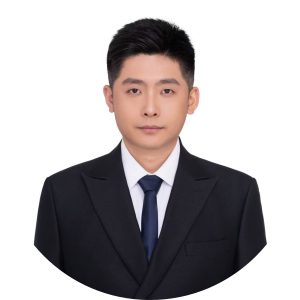
Dr. Bohao Sun,
Speech Title: Intergrated Optical switching for data and compute interconnect
Abstract: Advances in artificial intelligence and distributed computing are driving increasing demands for bandwidth, low latency, and energy efficiency in interconnects. Integrated photonic switching chips enable dynamic routing in the optical domain, offering a promising approach to high-performance interconnection. This talk will present recent progress in photonic switching chips for computing interconnects, focusing on key technologies for low loss, low crosstalk, fast reconfiguration, and large-scale integration. Drawing on device experiments and system demonstrations, the talk will discuss the opportunities and challenges of optical switching in data centers and next-generation communication networks.
Biography: Bohao Sun received the Ph.D. degree in engineering from the University of Cambridge, U.K, in 2025. He is currently an Senior Photonic Device Engineer in State Key Laboratory of Optical Communication Technologies and Networks (OCTN), China Information Communication Technologies Group Corporation (CICT), Wuhan, China. His research interests include optical switches, optical interconnection, next-generation optical fronthaul systems.